The Complete Guide to Depression: Warning Signs, Diagnosis & Treatment Options in 2026
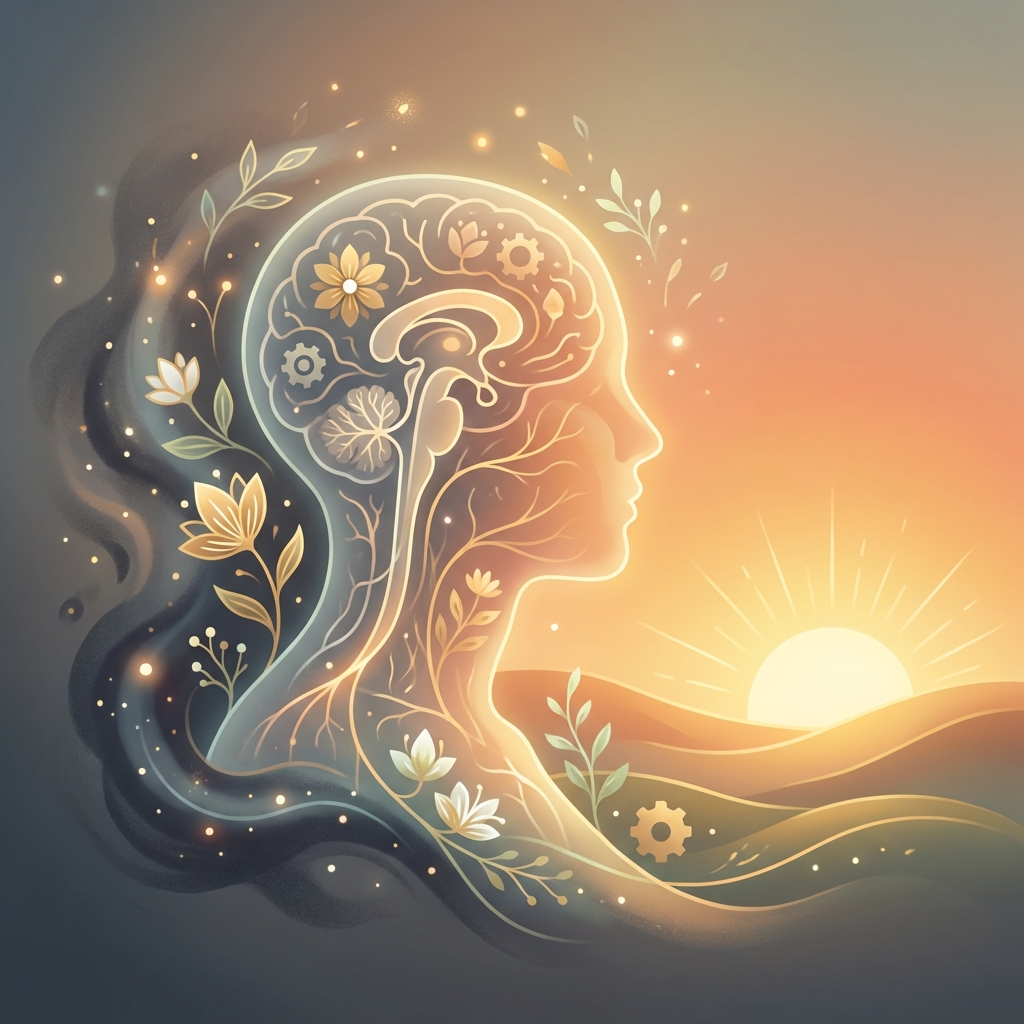
Breaking the Silence: Understanding Depression in the Modern Age
Depression is more than sadness. It's more than a bad day, a rough week, or even a difficult year. Major Depressive Disorder (MDD) is a serious medical condition that affects how you feel, think, and function. It's one of the most common mental health conditions worldwide, yet it remains shrouded in misconception and stigma.
In 2026, we understand more about depression than ever before—the neurobiological changes, genetic factors, and environmental triggers that contribute to this complex condition. This comprehensive guide will walk you through everything you need to know: what depression really is, how to recognize it, what causes it, and most importantly, how it can be treated effectively.
Part 1: What Is Clinical Depression?
Defining Depression
Clinical depression, also known as Major Depressive Disorder, is characterized by:
- Persistent low mood lasting at least two weeks
- Loss of interest or pleasure in activities once enjoyed (anhedonia)
- Significant impairment in daily functioning
It's important to distinguish between:
Normal Sadness
- Triggered by specific events (loss, disappointment)
- Usually time-limited
- Doesn't severely impair functioning
- Responds to support and self-care
Clinical Depression
- May occur without obvious trigger
- Persists for weeks, months, or years
- Significantly impairs work, relationships, and self-care
- Requires professional intervention
The Depression Spectrum
Depression isn't one-size-fits-all. There are several types:
Major Depressive Disorder (MDD) The most common form. Episodes may be single or recurrent.
Persistent Depressive Disorder (Dysthymia) A chronic, lower-grade depression lasting at least 2 years.
Bipolar Depression Depressive episodes alternating with manic or hypomanic episodes.
Seasonal Affective Disorder (SAD) Depression that follows seasonal patterns, typically worsening in winter.
Postpartum Depression Depression occurring after childbirth, affecting up to 15% of new mothers.
Situational Depression (Adjustment Disorder) Depression triggered by major life changes or stressors.
Part 2: Recognizing the Warning Signs
Core Symptoms
According to the DSM-5-TR (2022 revision), a diagnosis of MDD requires five or more of the following symptoms during the same 2-week period:
- Depressed mood most of the day, nearly every day
- Markedly diminished interest or pleasure in activities
- Significant weight change (loss or gain) without dieting
- Sleep disturbance: insomnia or hypersomnia
- Psychomotor changes: agitation or slowing observable by others
- Fatigue or loss of energy
- Feelings of worthlessness or excessive guilt
- Difficulty thinking, concentrating, or making decisions
- Recurrent thoughts of death or suicidal ideation
At least one symptom must be depressed mood OR loss of interest/pleasure.
Physical Symptoms Often Overlooked
Depression manifests in the body as much as the mind:
- Chronic pain: headaches, back pain, muscle aches
- Digestive problems: constipation, nausea, appetite changes
- Immune dysfunction: frequent illnesses
- Sexual dysfunction: decreased libido, erectile difficulties
- Cardiac symptoms: palpitations, chest tightness
The "Invisible" Signs
Some symptoms are internal and harder to detect:
- Emotional numbness: feeling empty rather than sad
- Anhedonia: food tastes bland, music feels flat, nothing brings joy
- Cognitive fog: difficulty remembering, slow processing
- Time distortion: days feel endless yet weeks disappear
- Existential despair: questioning life's meaning and purpose
Gender Differences in Presentation
Women are more likely to experience:
- Sadness, tearfulness, guilt
- Anxiety alongside depression
- Seasonal patterns
- Atypical symptoms (increased sleep, appetite)
Men are more likely to experience:
- Irritability, anger, aggression
- Risk-taking behaviors
- Substance use
- Physical complaints
- Workaholism as distraction
Part 3: The Biology of Depression
The Brain on Depression
Depression involves measurable changes in brain structure and function.
Neurotransmitter Imbalances The "chemical imbalance" theory, while oversimplified, contains truth:
- Serotonin: affects mood, sleep, appetite
- Norepinephrine: affects energy, alertness, concentration
- Dopamine: affects motivation, pleasure, reward
Depression involves dysregulation of these systems, not simple "deficiency."
Structural Brain Changes Neuroimaging studies reveal:
- Hippocampus (memory): reduced volume in chronic depression
- Prefrontal cortex (executive function): decreased activity
- Amygdala (emotion): hyperactivity
- Anterior cingulate cortex (error detection): altered function
Neuroplasticity Depression reduces the brain's ability to form new neural connections. Effective treatments restore neuroplasticity.
Inflammation Connection
Groundbreaking research in 2020s linked inflammation to depression:
- Elevated inflammatory markers (CRP, IL-6, TNF-alpha) in depressed patients
- Anti-inflammatory treatments showing antidepressant effects
- The gut-brain axis: gut microbiome influences brain inflammation
Genetic Factors
Depression has a heritability of 40-50%:
- No single "depression gene" exists
- Hundreds of genetic variants contribute small effects
- Gene-environment interactions matter most
- Family history increases risk but doesn't determine destiny
Hormonal Influences
Several hormonal systems interact with depression:
- HPA axis dysfunction: cortisol dysregulation
- Thyroid disorders: often mimic or worsen depression
- Sex hormones: explain some gender differences
- Insulin resistance: emerging link with depression
Part 4: What Causes Depression?
The Biopsychosocial Model
Depression arises from the interaction of:
Biological Factors
- Genetics and family history
- Brain chemistry and structure
- Chronic medical conditions
- Medications (some cause depressive side effects)
- Hormonal changes
Psychological Factors
- Negative thinking patterns
- Low self-esteem
- Perfectionism
- Trauma history
- Poor coping skills
Social/Environmental Factors
- Childhood adversity
- Chronic stress
- Social isolation
- Poverty and inequality
- Major life transitions
The Kindling Effect
Early depressive episodes are often triggered by clear stressors. Over time, the brain becomes "kindled"—more sensitive to depression—and episodes may occur with smaller triggers or spontaneously. This is why early, effective treatment is crucial.
Part 5: Diagnosis and Assessment
How Depression Is Diagnosed
There's no blood test for depression. Diagnosis relies on:
Clinical Interview A mental health professional will explore:
- Symptom history and severity
- Functional impairment
- Medical history and medications
- Family psychiatric history
- Substance use
- Trauma history
Standardized Assessments Common tools include:
- PHQ-9 (Patient Health Questionnaire): 9 items, widely used
- Beck Depression Inventory (BDI)
- Hamilton Depression Rating Scale (HAM-D)
- Montgomery-Åsberg Depression Rating Scale (MADRS)
Medical Workup To rule out medical causes, your doctor may order:
- Thyroid function tests
- Complete blood count
- Vitamin D and B12 levels
- Metabolic panel
Part 6: Treatment Options in 2026
The Treatment Landscape
Effective depression treatment typically combines multiple approaches.
Psychotherapy
Cognitive Behavioral Therapy (CBT) The gold standard, with decades of evidence:
- Identifies and challenges negative thought patterns
- Behavioral activation increases rewarding activities
- Typically 12-20 sessions
- Equally effective as medication for mild-moderate depression
Interpersonal Therapy (IPT) Focuses on relationship issues that maintain depression:
- Role transitions
- Grief and loss
- Interpersonal conflicts
- Social isolation
Behavioral Activation (BA) A streamlined approach focusing on action:
- Depression leads to withdrawal → withdrawal deepens depression
- Breaking the cycle through scheduled activities
- Particularly effective and efficient
Psychodynamic Therapy Explores unconscious patterns and early experiences:
- Understanding the roots of depression
- Processing grief and trauma
- Typically longer-term
Mindfulness-Based Cognitive Therapy (MBCT) Combines CBT with mindfulness:
- Prevents depressive relapse
- Develops meta-awareness of thoughts
- Particularly effective for recurrent depression
Medication
SSRIs (Selective Serotonin Reuptake Inhibitors) First-line treatment:
- Fluoxetine (Prozac), Sertraline (Zoloft), Escitalopram (Lexapro)
- Generally well-tolerated
- Take 4-6 weeks for full effect
SNRIs (Serotonin-Norepinephrine Reuptake Inhibitors)
- Venlafaxine (Effexor), Duloxetine (Cymbalta)
- May help with fatigue and concentration
- Also treats co-occurring pain
Atypical Antidepressants
- Bupropion (Wellbutrin): activating, helps motivation
- Mirtazapine (Remeron): helps with sleep and appetite
Newer Treatments (2024-2026)
- Esketamine (Spravato): FDA-approved for treatment-resistant depression
- Psilocybin therapy: breakthrough therapy designation, expanding availability
- MDMA-assisted therapy: Phase 3 trials showing promise
Brain Stimulation
For treatment-resistant cases:
Electroconvulsive Therapy (ECT) Despite stigma, ECT is highly effective:
- 70-90% response rate in severe depression
- Modern ECT is safe with brief anesthesia
- Memory side effects usually temporary
Transcranial Magnetic Stimulation (TMS) Non-invasive option:
- Uses magnetic pulses to stimulate prefrontal cortex
- 20-30 sessions over 4-6 weeks
- No sedation required
Deep Brain Stimulation (DBS) Experimental for severe, treatment-resistant cases:
- Surgical implantation of electrodes
- Showing promise in research settings
Lifestyle Interventions
Often undervalued but powerful:
Exercise
- As effective as medication for mild-moderate depression
- 150 minutes moderate activity per week recommended
- Any movement helps—start small
Sleep Optimization
- Bidirectional relationship with depression
- Sleep deprivation can trigger episodes
- CBT-I (Cognitive Behavioral Therapy for Insomnia) is highly effective
Nutrition
- Mediterranean diet associated with lower depression rates
- Omega-3 fatty acids show modest benefits
- Reduce processed foods and added sugars
Light Therapy
- Effective for SAD and non-seasonal depression
- 10,000 lux light box for 30 minutes each morning
- Helps regulate circadian rhythms
Part 7: Supporting Recovery
For Those Experiencing Depression
Be Patient with Yourself Recovery isn't linear. Good days and bad days are normal.
Maintain Treatment Don't stop medication abruptly. Work with your provider on any changes.
Build Your Toolkit
- Identify your warning signs
- Know your coping strategies
- Have a relapse prevention plan
Stay Connected Isolation worsens depression. Even small social contacts help.
For Loved Ones
What Helps
- Listen without judgment
- Validate their experience ("This sounds really hard")
- Offer practical support (meals, errands)
- Encourage treatment without nagging
- Take care of yourself too
What Doesn't Help
- "Just think positive" or "Snap out of it"
- Comparing their struggles to others
- Taking their symptoms personally
- Enabling avoidance behaviors
Part 8: Crisis Resources
If you or someone you know is in immediate danger:
- 988 Suicide & Crisis Lifeline: Call or text 988 (US)
- Crisis Text Line: Text HOME to 741741
- International Association for Suicide Prevention: https://www.iasp.info/resources/Crisis_Centres/
- Emergency Services: Call your local emergency number
Warning Signs of Suicide:
- Talking about wanting to die
- Giving away possessions
- Saying goodbye to loved ones
- Obtaining means (weapons, medications)
- Sudden calmness after severe depression
Conclusion: Hope Is Real
Depression is a formidable opponent, but it is not invincible. With proper understanding, timely intervention, and comprehensive treatment, recovery is possible for the vast majority of people.
The key messages to remember:
- Depression is a real medical condition, not a character flaw
- Effective treatments exist and continue to improve
- Early intervention leads to better outcomes
- Recovery is possible, even after years of struggle
If you're currently experiencing depression, please reach out to a mental health professional. You deserve support, and help is available.
The darkness you're experiencing is temporary. The light will return.