Building Mental Resilience: Strategies to Prevent Stress-Related Mental Health Decline
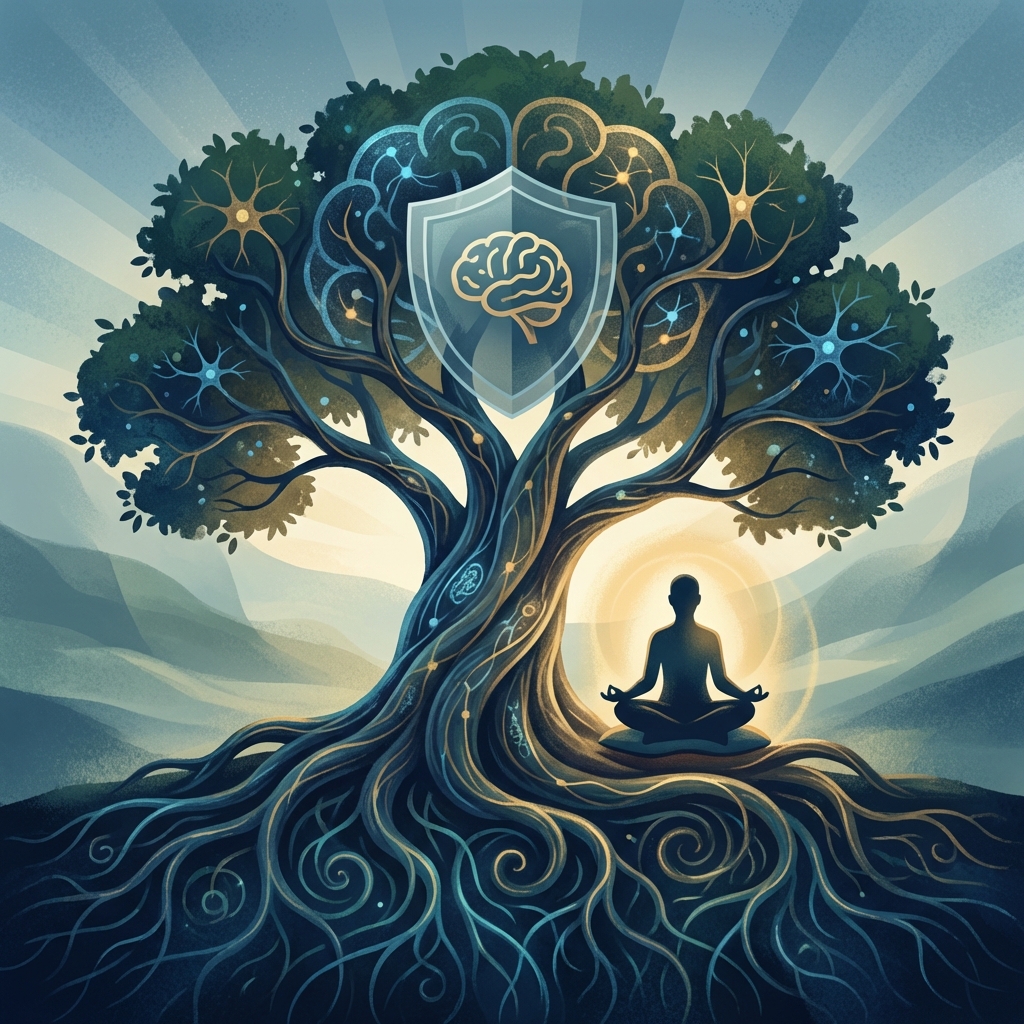
The Unbreakable Mind: Building Psychological Resilience for Life
Some people seem to weather life's storms with remarkable grace, while others are devastated by far smaller challenges. The difference often isn't luck or circumstances—it's resilience. And here's the empowering truth: resilience isn't a fixed trait you're born with or without. It's a set of skills and mindsets that can be developed, strengthened, and maintained throughout life.
This comprehensive guide explores the science of resilience, identifies its core components, and provides actionable strategies to build your capacity to not just survive adversity but grow from it.
Part 1: Understanding Resilience
What Resilience Really Means
Resilience is not:
- Never experiencing stress or difficulty
- Being emotionally numb or unaffected
- "Toughing it out" without support
- Pretending everything is fine
- A personality trait you either have or don't
Resilience is:
- The capacity to adapt positively to adversity
- The ability to recover from setbacks
- Maintaining equilibrium during stress
- Growing stronger through challenges
- A dynamic process, not a fixed state
The Resilience Research
Decades of research, including studies of trauma survivors, disaster victims, and high-stress professionals, reveal consistent patterns:
Key Findings:
- Approximately 65% of people show natural resilience after trauma
- Resilience can be learned and improved at any age
- Social connection is the strongest predictor of resilience
- Meaning and purpose provide powerful protection
- Multiple small protective factors compound over time
The Neuroscience of Resilience
Resilient brains show distinct patterns:
Prefrontal Cortex Activity
- Better regulation of emotional responses
- More effective executive function under stress
- Faster return to baseline after stressors
Stress Response Calibration
- Appropriate cortisol response (not over- or under-reactive)
- Efficient recovery after stress activation
- Healthy HPA axis function
Neuroplasticity
- Resilience can literally reshape brain structure
- Practices that build resilience increase prefrontal cortex volume
- Stress-protective neural pathways can be strengthened
Part 2: The Five Pillars of Resilience
Pillar 1: Connection - The Social Safety Net
Why It Matters Humans are fundamentally social creatures. Our nervous systems are designed to co-regulate with others. Isolation is one of the strongest risk factors for mental health decline, while strong social connections are the most consistent predictor of resilience.
Building Your Connection Pillar
Deepen Existing Relationships:
- Schedule regular quality time with loved ones
- Practice vulnerability—share struggles as well as successes
- Be fully present (put away phones)
- Express appreciation and gratitude
- Offer and accept help
Expand Your Circle:
- Join communities aligned with your interests
- Volunteer for causes you care about
- Attend local events and groups
- Reconnect with old friends
- Be the inviter—don't wait for invitations
Seek Professional Support:
- Therapist or counselor for ongoing support
- Support groups for specific challenges
- Coaches or mentors for guidance
- Peer support networks
Pillar 2: Regulation - Mastering Your Nervous System
Why It Matters Stress resilience depends on the ability to regulate your physiological and emotional responses. Without regulation skills, stress compounds and overwhelms coping capacity.
Building Your Regulation Pillar
Physiological Regulation:
- Breathwork: Practice daily (even 5 minutes helps)
- Box breathing: 4-4-4-4 pattern
- Physiological sigh: Double inhale, long exhale
- Coherent breathing: 5-6 breaths per minute
- Movement: Regular exercise regulates stress hormones
- Sleep: Non-negotiable for emotional regulation
- Vagal toning: Cold exposure, humming, gargling
Emotional Regulation:
- Name it to tame it: Label emotions precisely
- RAIN technique: Recognize → Allow → Investigate → Nurture
- Distress tolerance: Build capacity to sit with discomfort
- Healthy expression: Process emotions through journaling, art, conversation
Cognitive Regulation:
- Thought defusion: "I notice I'm having the thought that..."
- Attention training: Redirect focus deliberately
- Perspective-taking: How will this matter in 5 years?
- Reappraisal: Find alternative interpretations
Pillar 3: Competence - Building Mastery and Self-Efficacy
Why It Matters Believing you can handle challenges is a self-fulfilling prophecy. Self-efficacy—the belief in your ability to influence outcomes—is a core resilience factor.
Building Your Competence Pillar
Develop Mastery:
- Set and achieve incremental goals
- Take on challenges slightly beyond your current ability
- Celebrate small wins
- Track your progress
- Learn from failures without catastrophizing
Build Skills:
- Problem-solving: Practice structured approaches to challenges
- Decision-making: Improve your ability to choose under uncertainty
- Communication: Learn to express needs and boundaries
- Conflict resolution: Develop skills for navigating disagreements
Expand Your Comfort Zone:
- Regularly do things that scare you slightly
- Embrace discomfort as a growth signal
- Try new activities
- Travel, meet new people, take classes
Pillar 4: Meaning - Purpose and Values
Why It Matters Viktor Frankl, the psychiatrist who survived the Holocaust, observed that those who found meaning in their suffering were most likely to survive. Purpose provides a "why" that makes the "how" bearable.
Building Your Meaning Pillar
Clarify Your Values:
- What matters most to you?
- What do you want to stand for?
- How do you want to be remembered?
- What would you regret not doing?
Live Your Values:
- Align daily actions with what matters
- Make values-based decisions
- Let values guide through difficult times
- Regularly audit your alignment
Find Purpose:
- Contribution: How can you help others?
- Creation: What do you want to bring into existence?
- Experience: What do you want to experience fully?
- Legacy: What do you want to leave behind?
Create Meaning from Adversity:
- What can this experience teach you?
- How might you grow from this challenge?
- How can your suffering help others?
- What strength is this revealing?
Pillar 5: Hope - Optimism and Future Orientation
Why It Matters Hope is not naive positivity—it's the belief that the future can be different and that your actions matter. Without hope, there's no motivation to persist through difficulty.
Building Your Hope Pillar
Realistic Optimism:
- Acknowledge challenges honestly
- Believe in your capacity to cope
- Look for evidence of progress
- Focus on what you can control
Future Visualization:
- Imagine positive outcomes
- Create vivid mental pictures of your goals
- Practice "best possible self" exercises
- Write about your ideal future
Goal Setting:
- Set meaningful, achievable goals
- Break big goals into small steps
- Track progress visibly
- Celebrate milestones
Inspiration Sources:
- Read biographies of people who overcame adversity
- Spend time with hopeful people
- Consume uplifting media mindfully
- Keep evidence of past successes visible
Part 3: Daily Practices for Resilience
Morning Resilience Routine (15-20 minutes)
1. Breathing (3 minutes) Start with coherent breathing or physiological sighs to set your nervous system tone.
2. Movement (5-10 minutes) Stretch, walk, or do light exercise to wake up your body.
3. Intention Setting (2 minutes)
- What's important today?
- What value will you embody?
- What's one challenge you'll embrace?
4. Gratitude (2 minutes) Write or mentally note 3 things you're grateful for.
Throughout the Day
Stress Inoculation Moments:
- Take brief uncomfortable challenges (cold water, difficult conversation)
- Pause before reacting to stressors
- Practice grounding during transitions
Micro-Recovery Breaks:
- 60-second breathing exercises
- Brief walks
- Moments of mindfulness
- Connection check-ins
Cognitive Resets:
- Challenge negative thoughts
- Reframe challenges as opportunities
- Focus on what's in your control
Evening Resilience Routine (10-15 minutes)
1. Process the Day (5 minutes)
- What went well?
- What was challenging?
- What did you learn?
2. Tomorrow Planning (3 minutes)
- Identify top priorities
- Anticipate challenges
- Plan for obstacles
3. Wind Down (5+ minutes)
- Relaxation practice
- Reduce stimulation
- Prepare for quality sleep
Part 4: Building Resilience in Specific Domains
Work and Career Resilience
Protect Against Burnout:
- Set clear boundaries between work and rest
- Take all your vacation time
- Disconnect after hours
- Say no to unsustainable demands
Build Professional Resilience:
- Diversify your skills and income streams
- Maintain a network outside your current role
- Keep learning and growing
- Document your achievements
Navigate Workplace Stress:
- Focus on what you can control
- Build alliances with supportive colleagues
- Manage energy, not just time
- Find meaning in your work
Relationship Resilience
Build Strong Foundations:
- Prioritize quality time
- Practice healthy communication
- Express appreciation regularly
- Address conflicts promptly
Weather Relationship Storms:
- See challenges as "we vs. the problem"
- Repair ruptures quickly
- Seek couples support when needed
- Maintain individual identities
Recover from Loss:
- Allow yourself to grieve
- Maintain connections with others
- Seek support when needed
- Eventually find meaning
Financial Resilience
Build Security:
- Emergency fund (3-6 months expenses)
- Diversified income sources
- Insurance for catastrophic events
- Living below your means
Mental Approach:
- Separate self-worth from net worth
- Focus on enough, not more
- Find joy in non-material sources
- Prepare for uncertainty
Health Resilience
Prevention:
- Regular exercise and movement
- Adequate sleep
- Balanced nutrition
- Preventive medical care
Coping with Illness:
- Accept support from others
- Focus on what's possible
- Find meaning in the journey
- Advocate for yourself
Part 5: Resilience Through Different Life Stages
Young Adults (18-35)
Key Challenges:
- Identity formation
- Career establishment
- Relationship building
- Financial independence
Resilience Focus:
- Build diverse coping skills
- Establish healthy habits early
- Create strong social networks
- Develop financial literacy
Mid-Life (35-55)
Key Challenges:
- Career pressures
- Family responsibilities
- Aging parents
- Identity reassessment
Resilience Focus:
- Manage competing demands
- Prioritize self-care despite obligations
- Cultivate deep friendships
- Find renewed purpose
Later Life (55+)
Key Challenges:
- Health changes
- Loss of loved ones
- Role transitions
- Mortality awareness
Resilience Focus:
- Maintain social connections actively
- Find new sources of meaning
- Accept help when needed
- Pass on wisdom to others
Part 6: When Resilience Isn't Enough
Recognizing When You Need More Help
Resilience strategies are powerful, but they have limits. Seek professional help if:
- You're experiencing symptoms of depression or anxiety
- Traumatic experiences are affecting daily functioning
- Coping strategies aren't working
- You're using substances to cope
- You're having thoughts of self-harm
- Daily functioning is significantly impaired
Types of Professional Support
Therapy:
- CBT (Cognitive Behavioral Therapy)
- ACT (Acceptance and Commitment Therapy)
- EMDR (for trauma)
- IPT (Interpersonal Therapy)
Psychiatric Care:
- Medication evaluation
- Medication management
- Complex case consultation
Specialized Programs:
- Intensive outpatient programs
- Residential treatment
- Support groups
- Retreats and workshops
Part 7: The Resilience Mindset
Core Beliefs of Resilient People
"I can handle hard things." Not "nothing bad will happen," but "I can cope when it does."
"Setbacks are temporary." This too shall pass. Difficult times don't last forever.
"I learn from everything." Every experience, good or bad, offers growth opportunities.
"I'm not alone." Help is available, and asking for it is strength.
"I have value beyond my circumstances." My worth isn't determined by what happens to me.
The Growth Mindset
Resilient people embrace a growth mindset:
- Challenges are opportunities to learn
- Effort leads to mastery
- Criticism is useful feedback
- Others' success is inspiring, not threatening
- Abilities can be developed
Self-Compassion
Paradoxically, being kind to yourself builds resilience:
- Treat yourself as you'd treat a good friend
- Acknowledge suffering without drowning in it
- Remember that struggle is part of the human experience
- Balance validation with growth
Conclusion: Becoming Unbreakable
Resilience is not about never falling down—it's about always getting back up. It's not about avoiding pain—it's about moving through it with grace. It's not about going it alone—it's about building the connections and skills that help you weather any storm.
The research is clear: resilience can be built. Every practice in this guide, no matter how small, contributes to your capacity to handle whatever life brings. The key is consistency—not perfection.
Start where you are. Pick one pillar that resonates. Choose one practice to begin. Small steps, taken consistently, lead to profound transformation.
You are more capable than you know. And with intentional effort, you can become even more so.
The truly unbreakable mind isn't one that never bends—it's one that always bounces back.
If you're struggling and these strategies feel overwhelming, please reach out for professional support. Building resilience often begins with asking for help.